SAVANNAH WATER PROJECT

We build wells that last. The farthest people first

We provide clean water in northern Ghana for farming villages overlooked by larger efforts.

Savannah Water Project is a 501(c)(3) registered nonprofit organization.
Banner

OUR IMPACT

We build wells that last

Since 2020, Savannah Water Project has worked with communities in northern Ghana to bring clean water to villages overlooked by larger efforts. Every well we build is tracked, maintained, and revisited.

16

Wells Built

25K+

Villages Served

90+

People with regular access to clean water

90+

years of fieldwork in northern Ghana

What we count, and what we don't

What we count, and what we don't

We don't count a well as a success the day it's drilled. We count it after the community is using it, the maintenance plan is working, and our team has come back to verify both.

Some of our completed wells are currently offline — a generator under repair in Larabanga, political disruption blocking access in Larabanga 2. We list those publicly. The people who funded these wells deserve to know where things actually stand.
Where the work is happening now

Where the work is happening now

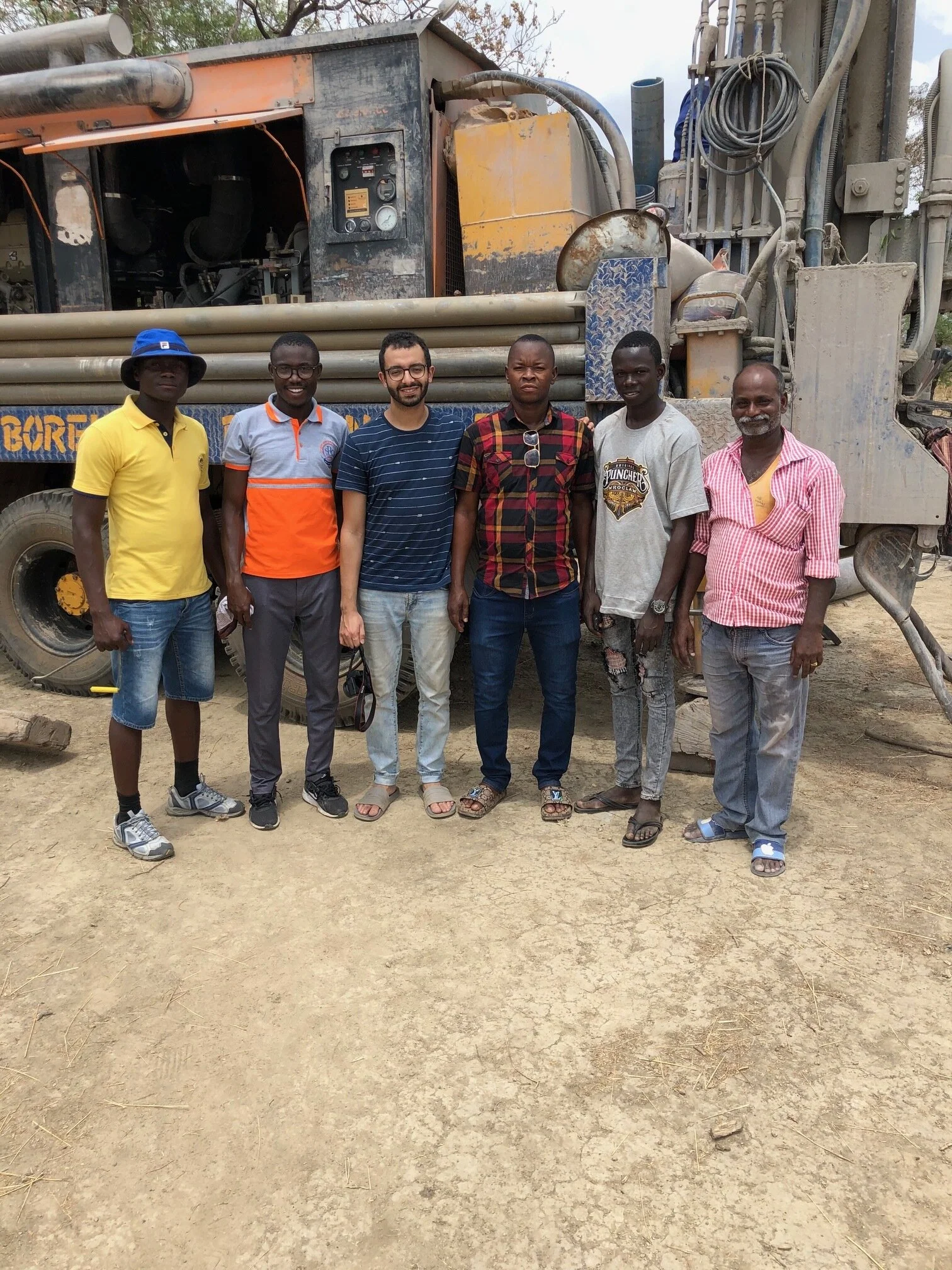
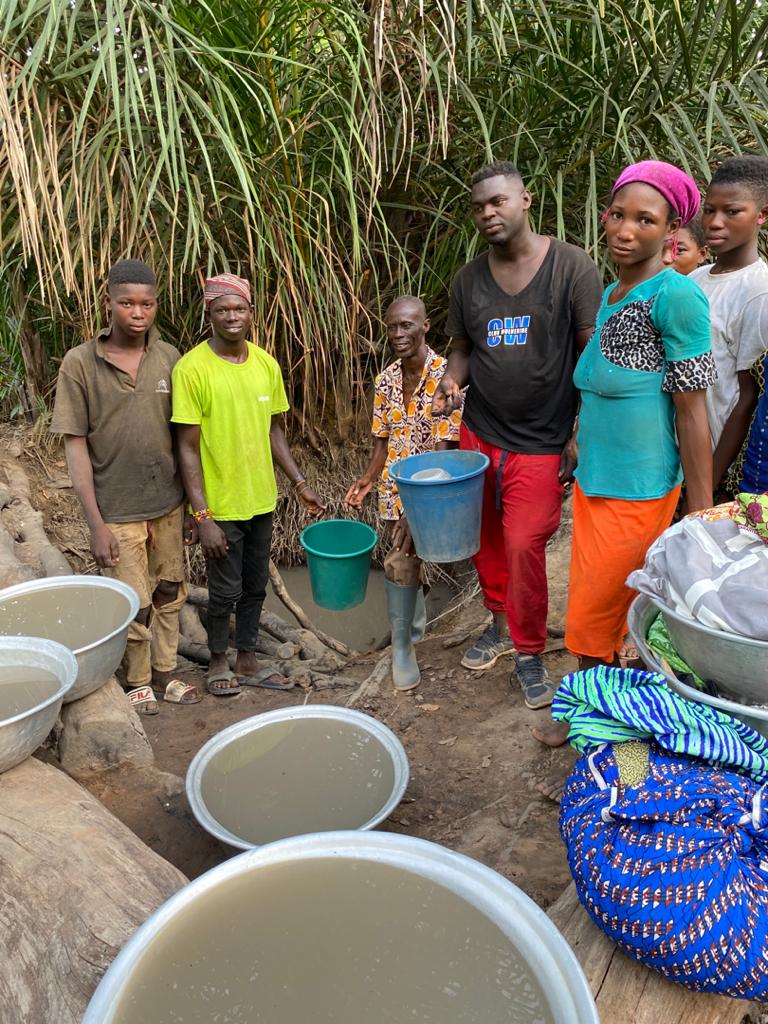
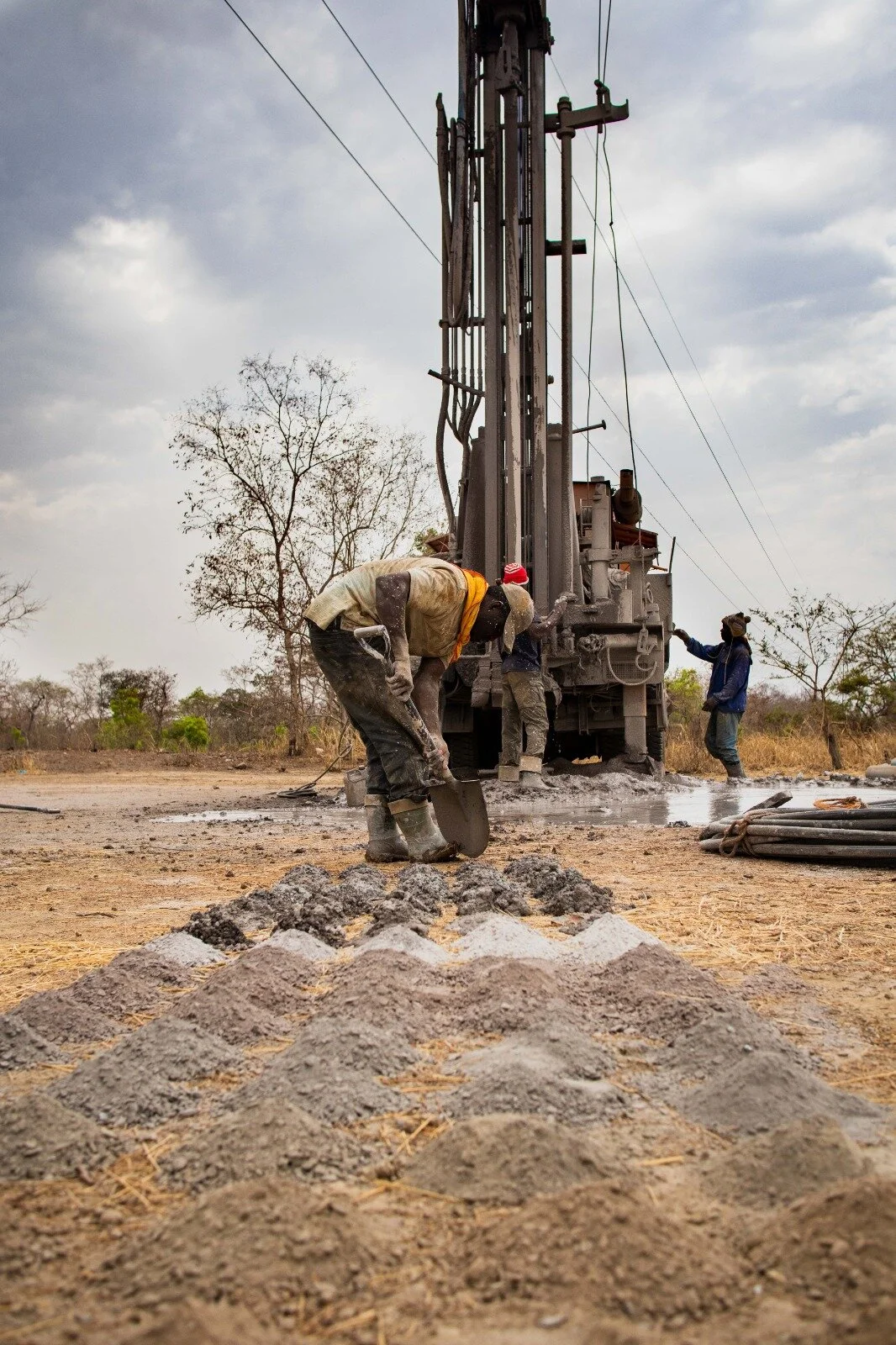
Three new boreholes were completed in 2025 in the farming villages of Ngarong, Vehikuga, and Bablinga (Northern Region). Additional wells are in progress across the Savannah and Northern Regions, with five new communities scouted in July for 2026 builds.

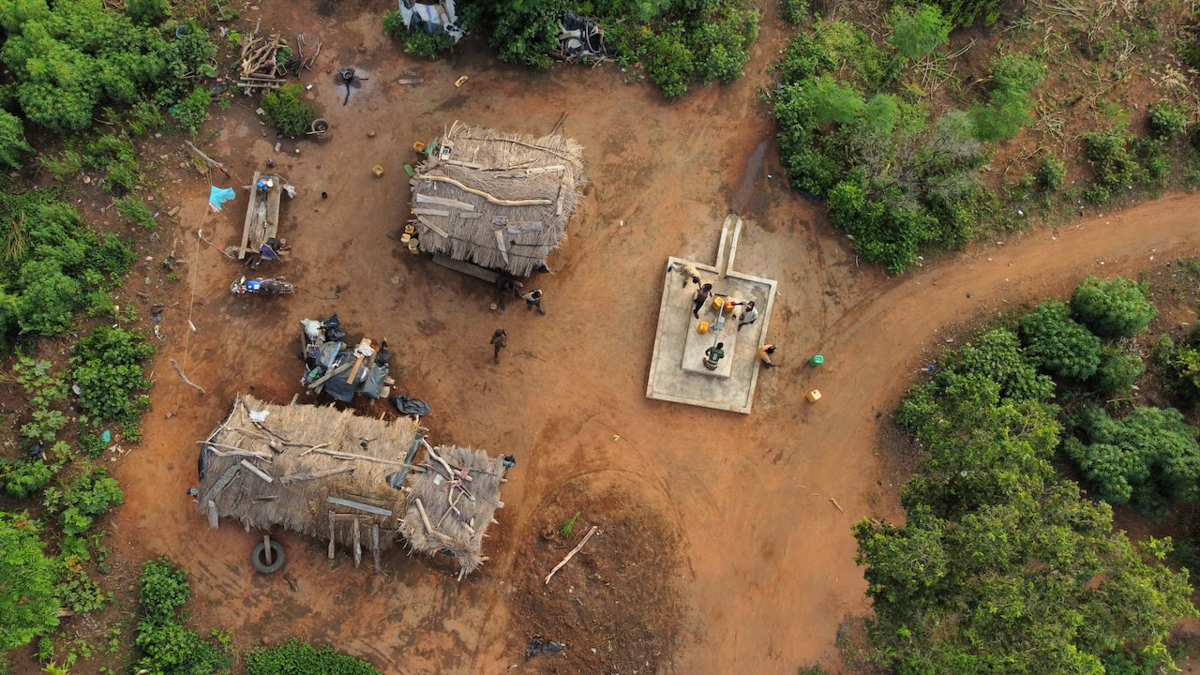
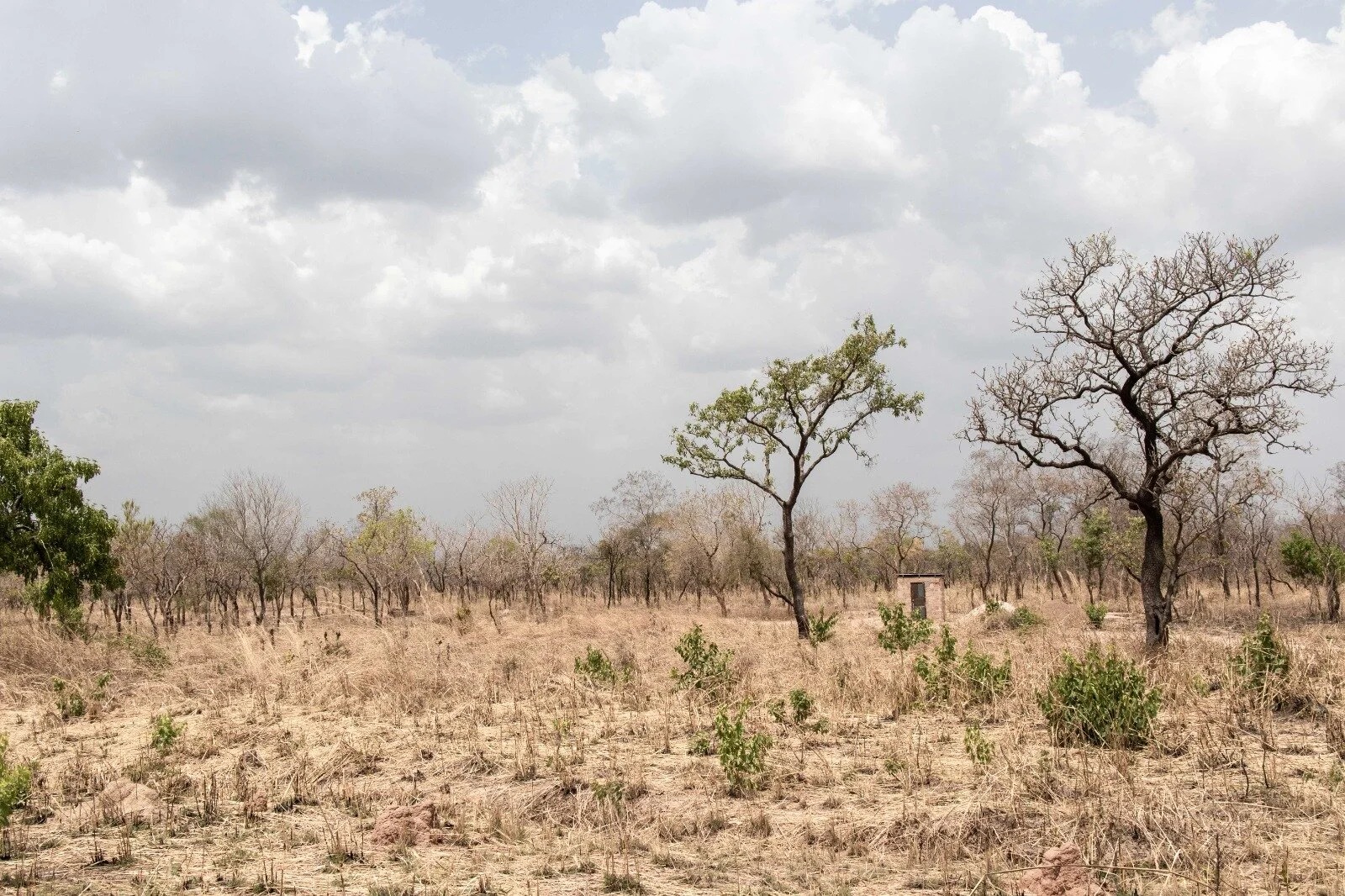
We work in farming villages — places where most people grow what they eat, and where the dry season puts everything at risk.

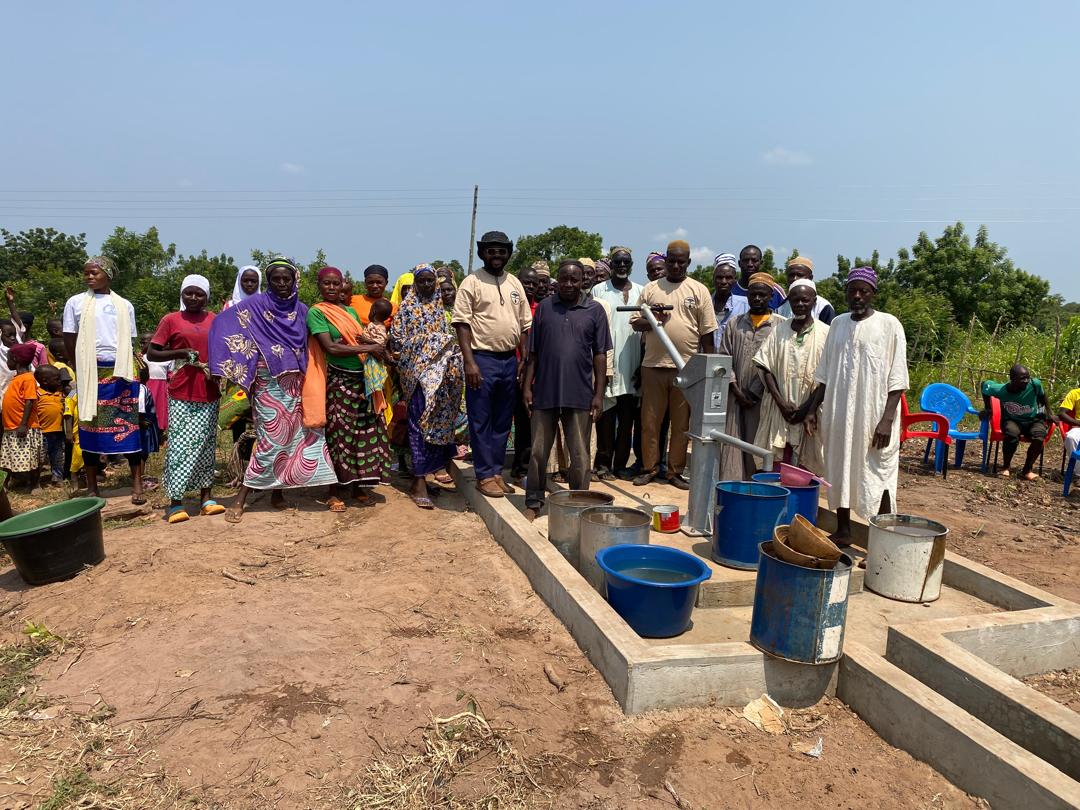
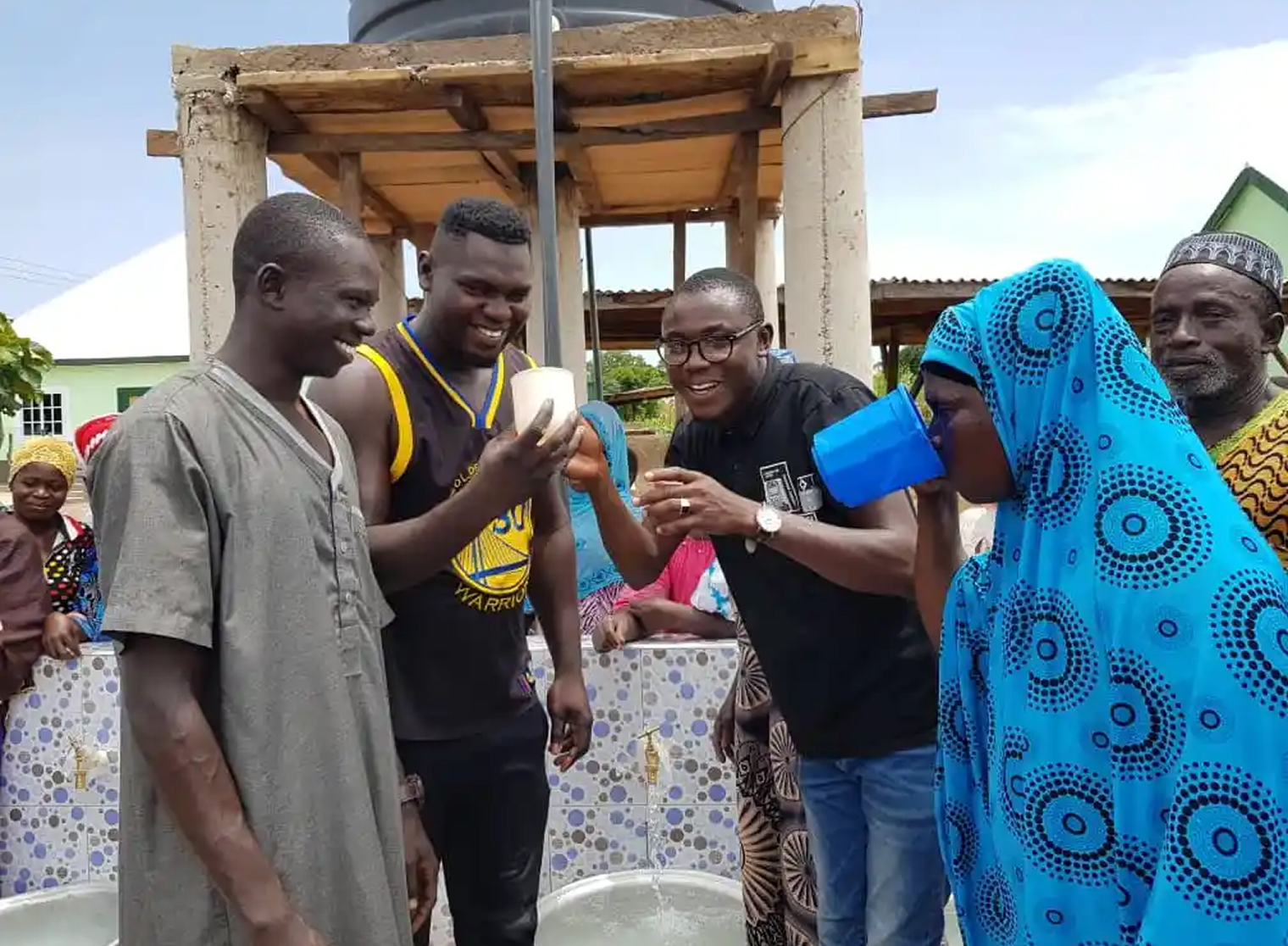
Community handover, Yakpalsi, 2025. The day the well comes online is not the day we count it as a success but it's a day worth marking.

WHY WATER MATTERS

Why this work, in this place

The water crisis is global. We don't pretend to be solving it. We work in one part of one country — northern Ghana — because that's where we know the ground, the people, and the obstacles.

Three things shape the water problem in the villages where we work:

01.

Geography and climate

The Savannah, Northern, North East, Upper East, and Upper West regions experience long dry seasons. Surface water disappears. Groundwater is the only reliable option, and reaching it requires drilling.

02.

Economic neglect

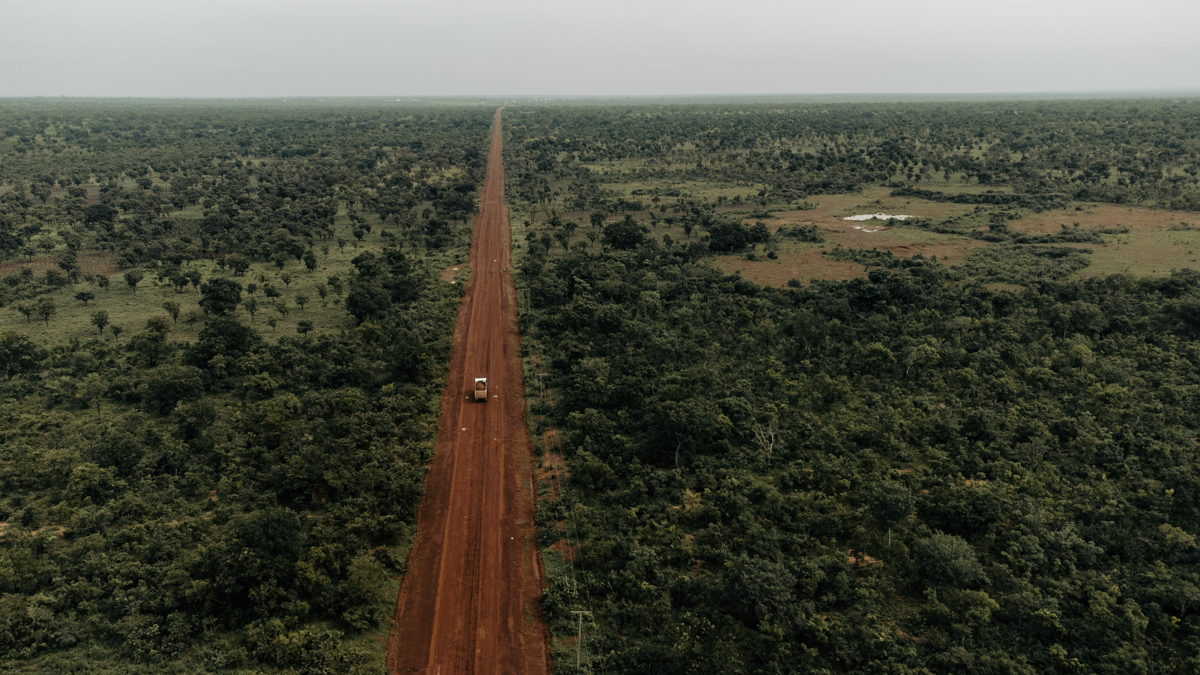
Many villages lack electricity. Roads to them are rough or seasonal. National infrastructure investment has historically concentrated in the south.

03.

Failed projects

Most villages we visit have a story about a well someone built and walked away from. A solar panel that broke. A pump that nobody could fix. A politician who promised water before an election and never came back.

The Geography

The Geography

Northern Ghana is not one place

How We Choose Where to Work

How We Choose Where to Work

Finding the right villages

Why Wells Fail

Why Wells Fail

The well isn't the hard part.

THE GEOGRAPHY

Northern Ghana is not one place

When people say "northern Ghana," they often mean five distinct administrative regions: Savannah, Northern, North East, Upper East, and Upper West. The Savannah Region was created in 2019 when it was split from the old Northern Region. Each has its own districts, its own chiefs, its own logistics challenges.

We currently operate primarily in the West Gonja municipality of the Savannah Region, with recent expansion into the Northern Region. We work in farming villages — places where most people grow what they eat, and where the dry season puts everything at risk.

Learn about water crisis

HOW WE CHOOSE WHERE TO WORK

Reaching the farthest people first

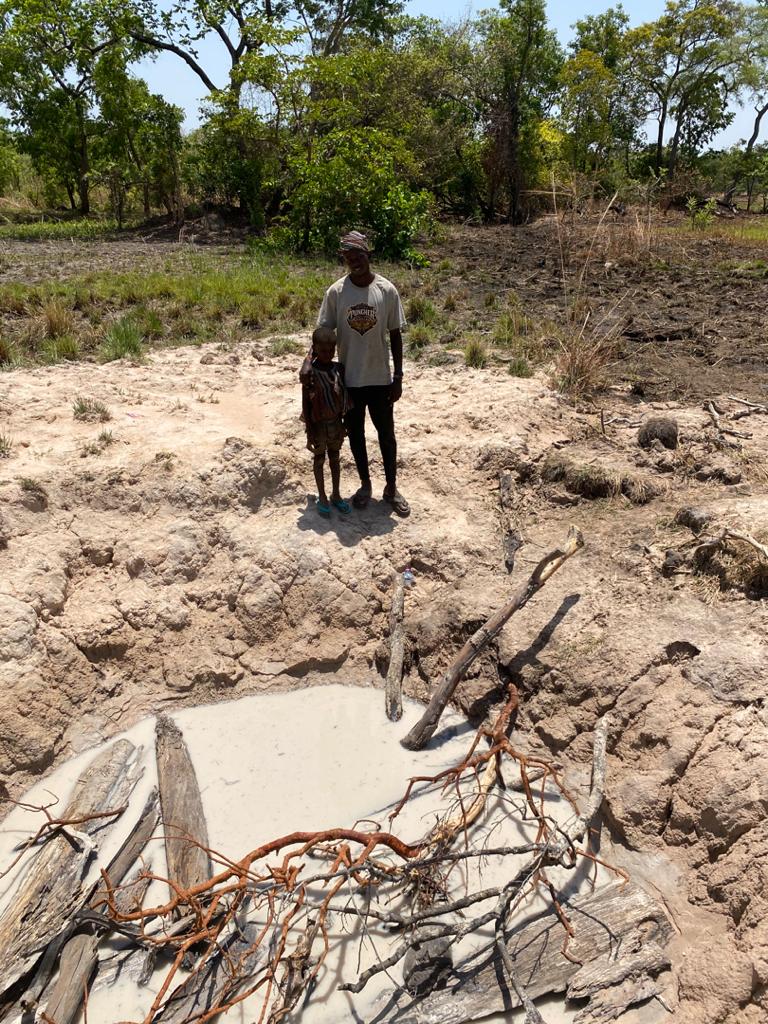
Many villages in the Savannah are without good water options. Our team begins each campaign by identifying communities most likely to benefit from a well, weighing:

Field assessment illustration

Degree of need

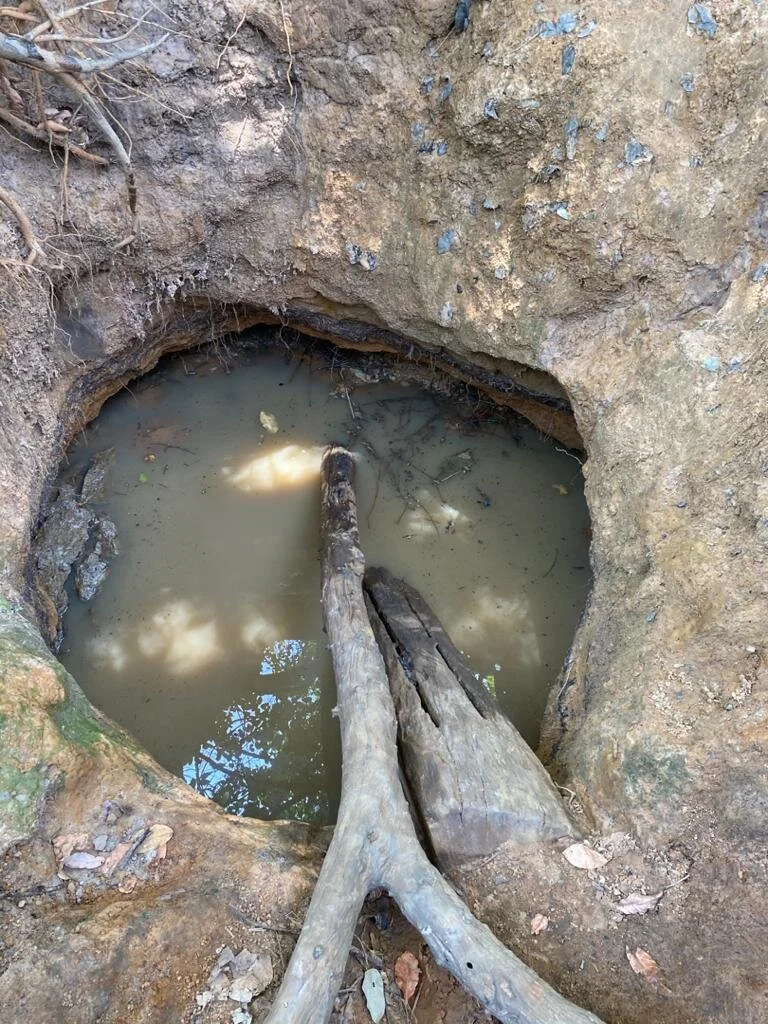
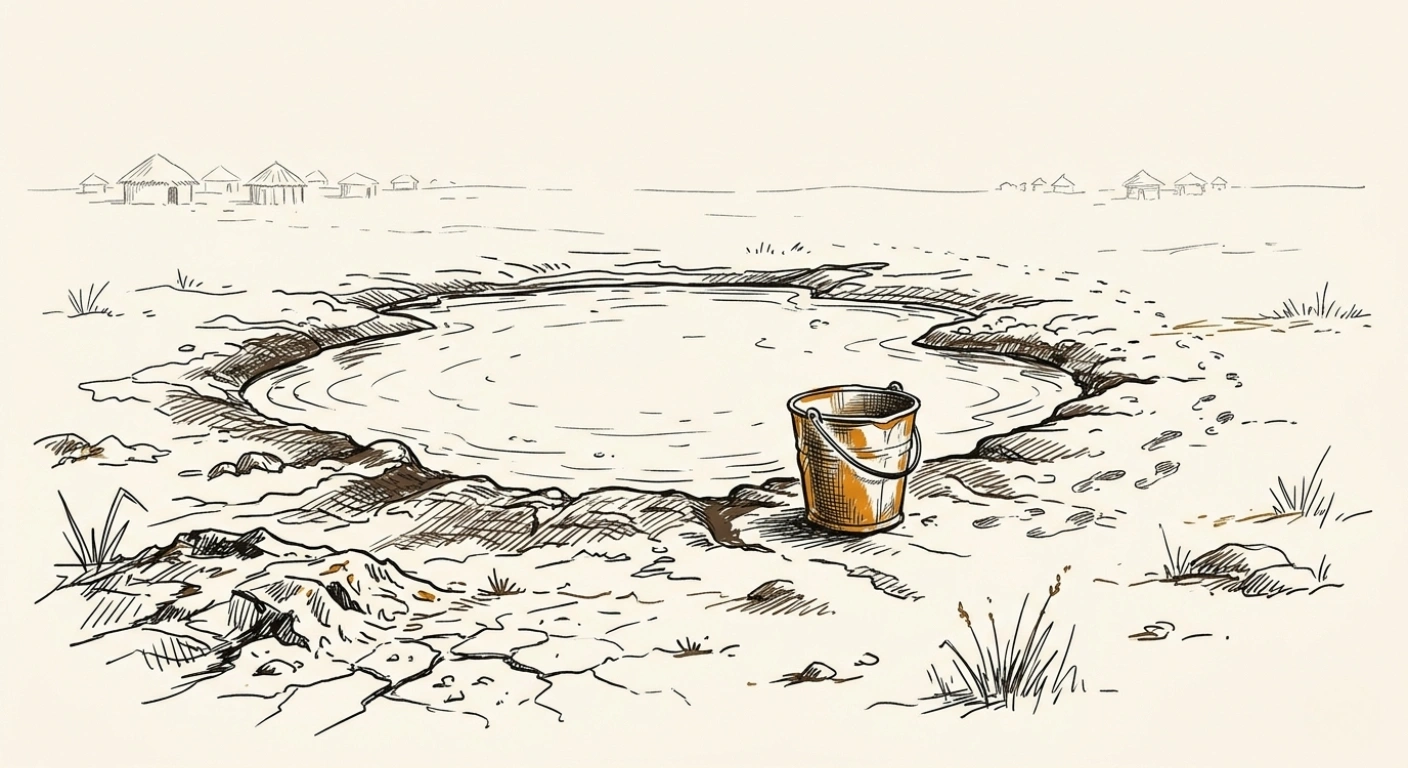
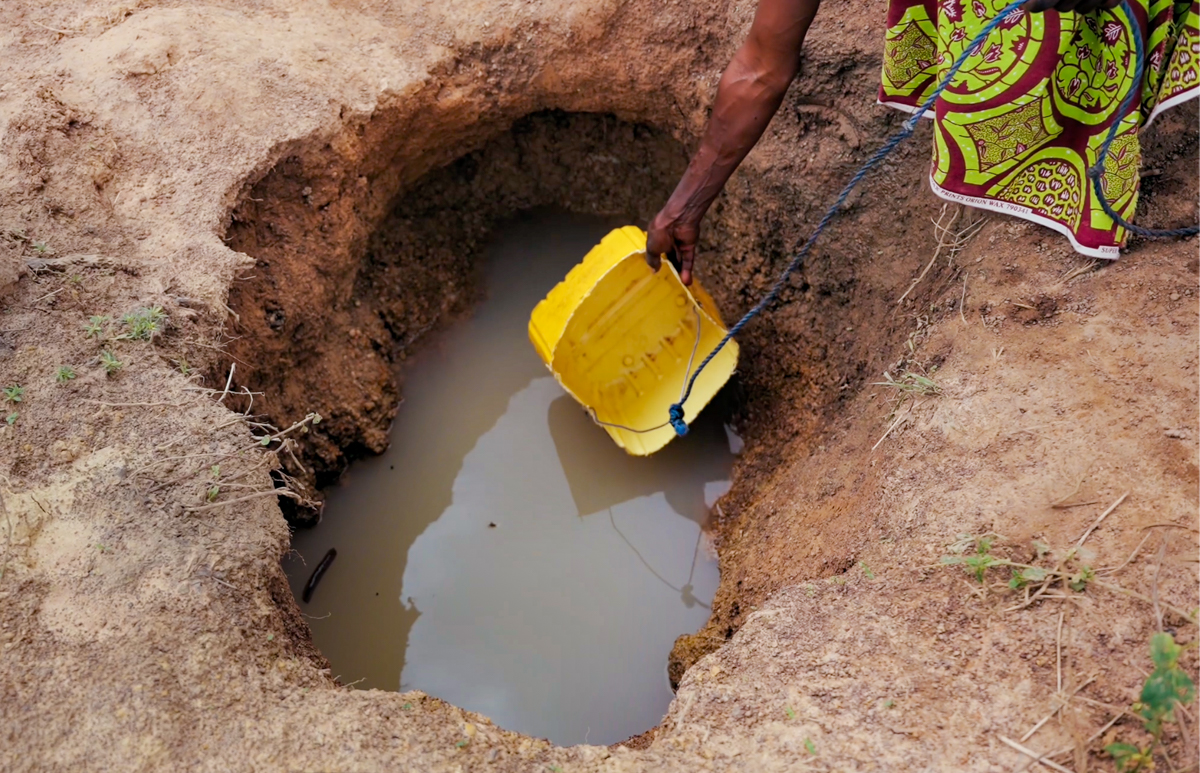
What are people drinking now? Swamp water? Stagnant pond water? A distant shared source?

Population illustration

Population

How many people will the well actually serve?

Feasibility illustration

Feasibility

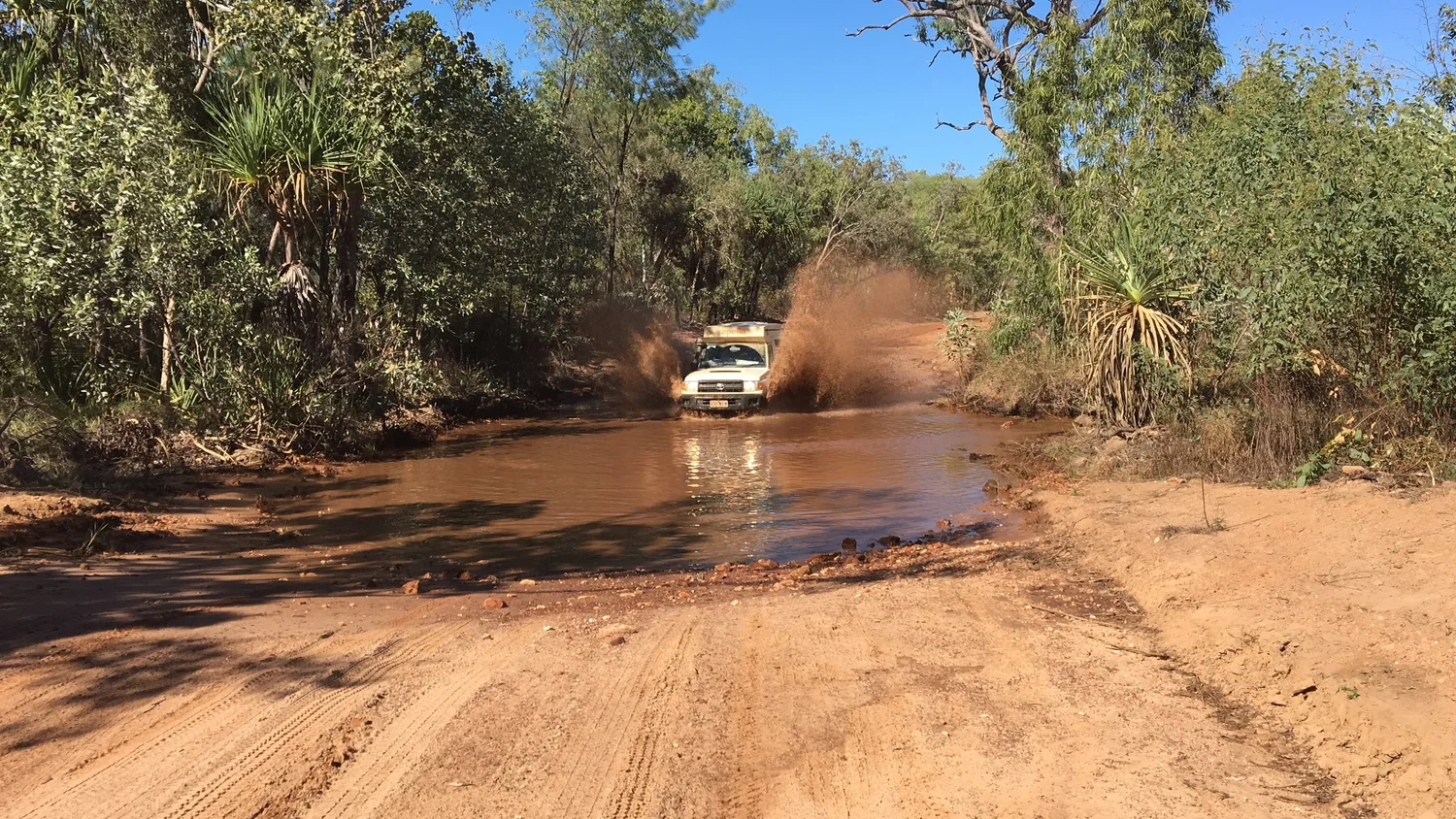
Can a borehole truck reach the village? Are roads passable?

Community readiness illustration

Community readiness

Is there buy-in? Is there a credible plan to maintain the well after we leave?

Farthest People First.

We deliberately work in villages that are harder to reach, harder to publicize, and less likely to attract larger NGOs. That's the meaning of "farthest people first."

Learn about water crisis

WHY WELLS FAIL

The well isn't the hard part

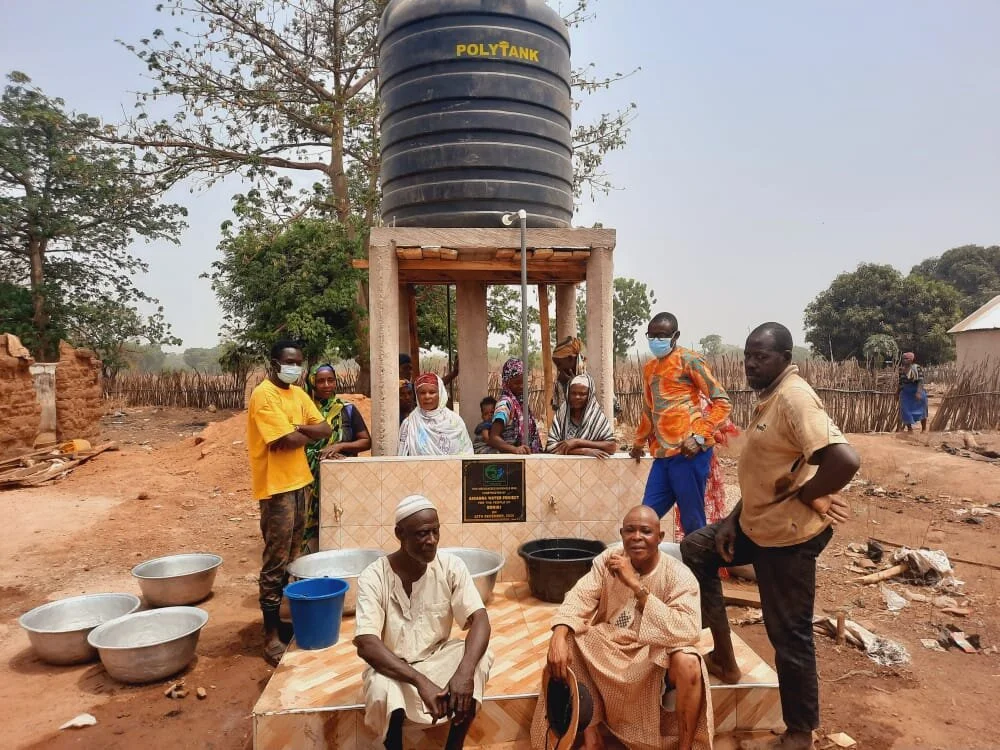
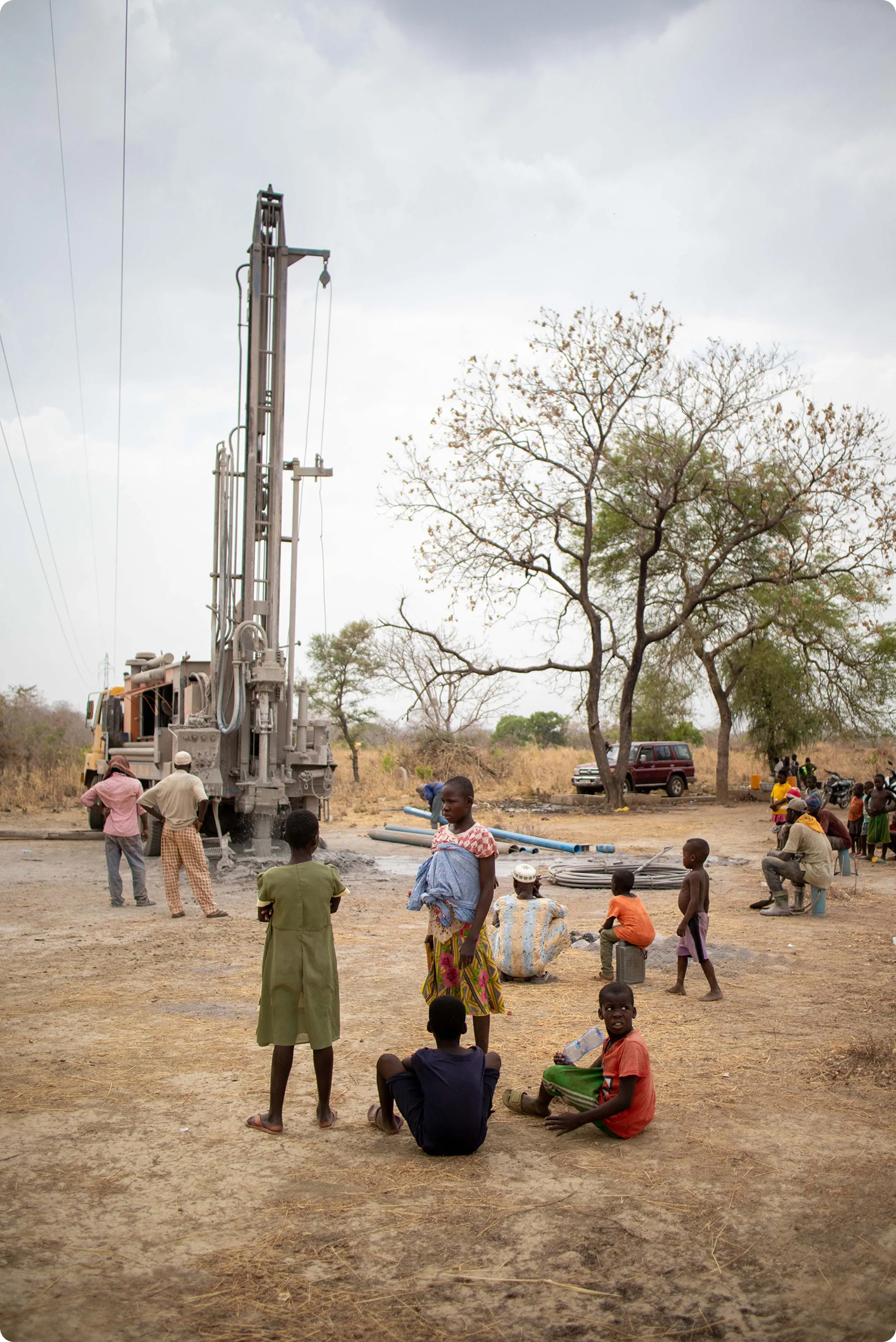
A borehole costs us between $1,800 and $3,000 to drill. The full project — pump, platform, holding tank, community handover — typically runs $3,500 to $6,000. The drilling takes a few days. The hard part is the next ten years.

Wells fail for predictable reasons:

Local well and pump
01

Maintenance gaps

A pump breaks. The replacement part is expensive or hard to find. Nobody in the village has been trained to fix it. The well goes dry.

02

Solar pump fragility

Solar setups look attractive on paper. In practice, the parts are expensive, slow to source, and a single component failure takes the whole system offline. We've moved away from solar in the areas we serve.

03

Political disruption

Local leadership changes. A new chief blocks access. A district authority shuts down a working well over a dispute that has nothing to do with water.

04

Lack of buy-in

A well that arrives without community input often becomes nobody's responsibility.

Built for the long haul

Solutions that last beyond the ribbon-cutting.

Community first

Local ownership is the foundation of every project.

Practical over trendy

We use what’s reliable, repairable, and proven.

Water is just the start

Stronger systems build stronger communities.

We Design Around These Failures

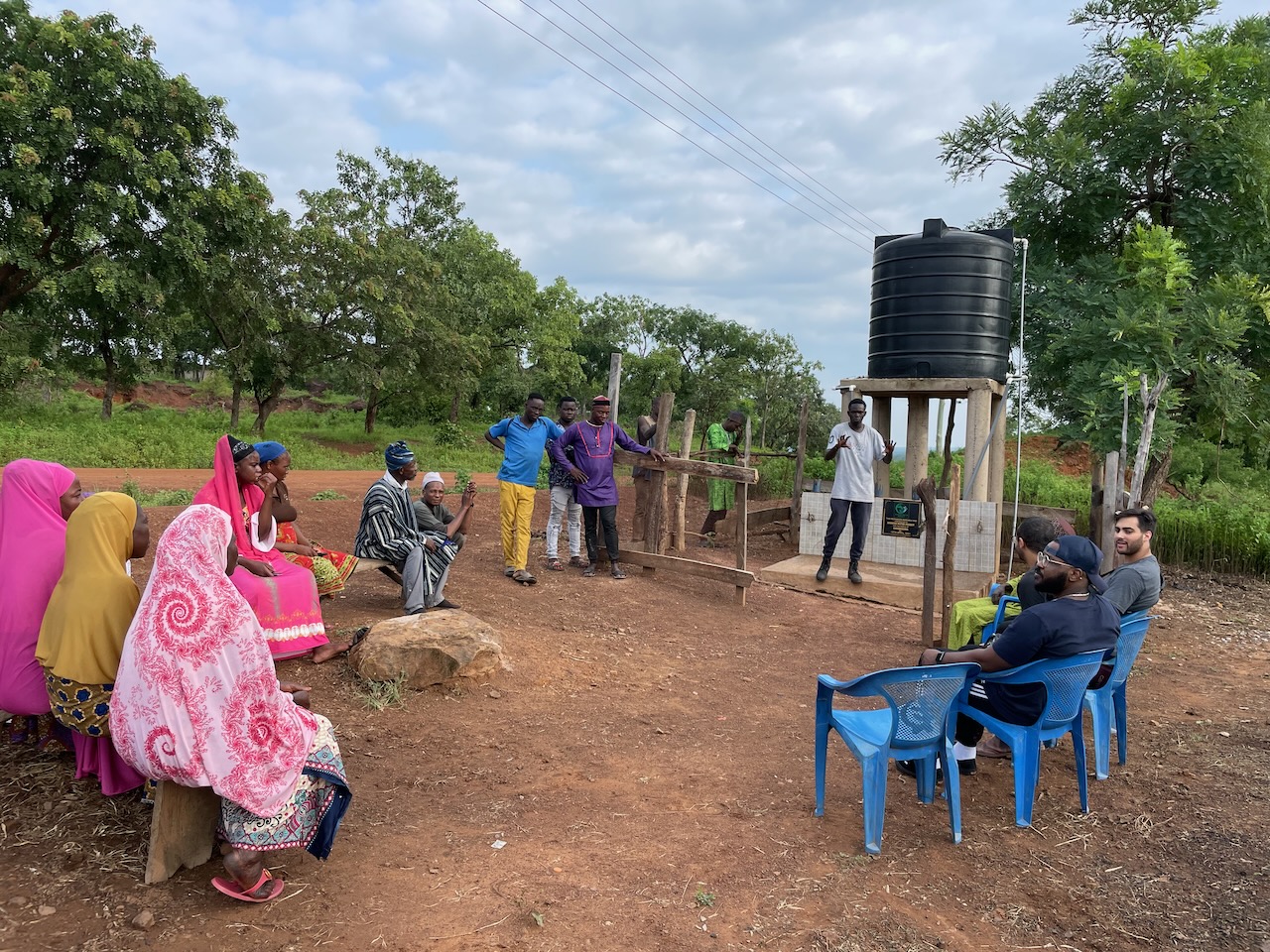
We design around these failures. Every project requires a maintenance plan and significant community input before we drill.

IMPACT LOCATIONS

See how your support becomes clean water

Every well we've built or are building is listed below. Click any location for project details, current status, and field videos where available.

SUPPORT THE MISSION

Help Bring Clean Water to Communities in Need

Your donation brings clean water to communities in need. Every well built restores health, dignity, and opportunity for generations.

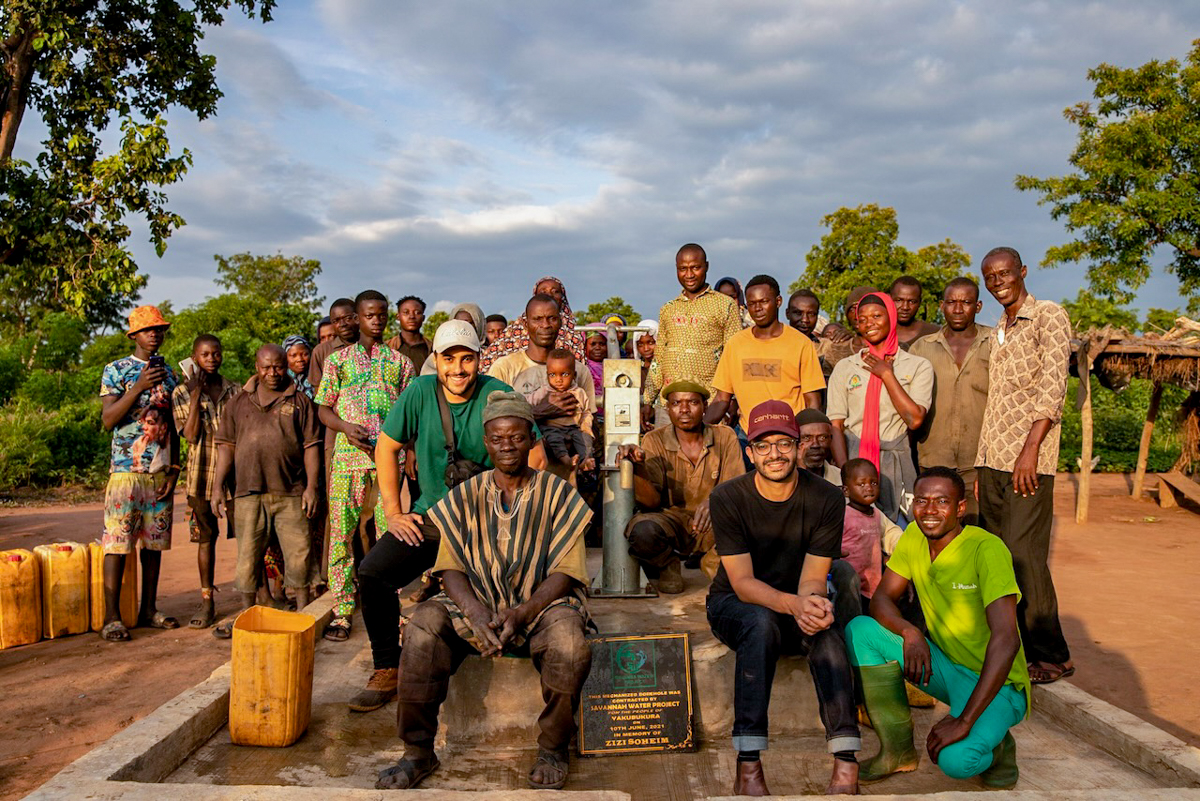
Yakubukura group supporting mission