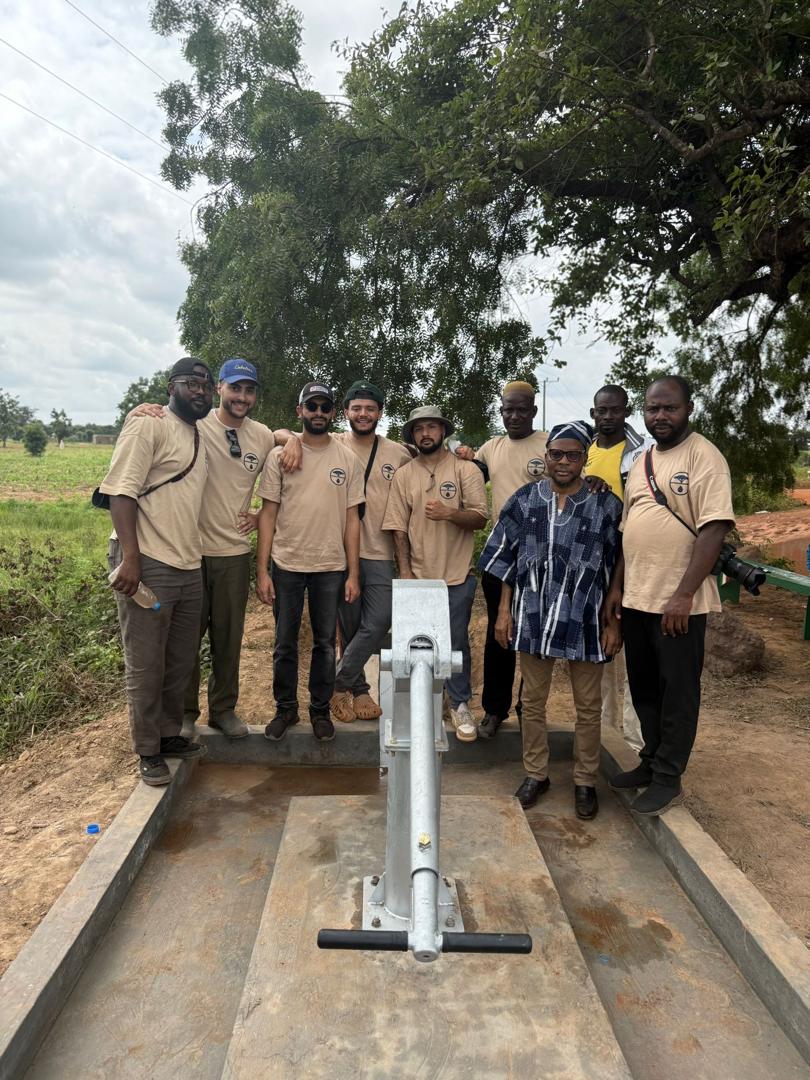
Savannah Water Project welcomes students, researchers, and clinicians interested in rural water access, public health, surgical care, and development practice in northern Ghana. We're a small organization, and the opportunities we can support directly are limited — but we publish what we learn, we point people to the resources that helped us, and we want to hear from anyone who plans to do serious work in this space
Featured Publication
A field-tested guide to drilling, community engagement, and long-term maintenance in the Savannah and Sahel regions.
This is the document we wish we'd had when we started. Five years of fieldwork in the West Gonja municipality and recent expansion into the Northern Region, distilled into practical guidance for anyone planning to drill, fund, or partner on a well project in this part of West Africa. The guide covers site selection, geology and drilling realities specific to the region, community entry, closed-pipe casing and component decisions, pump choice (and why we've moved off solar), maintenance planning, and the kinds of failures we've learned to design around.
It is written for other organizations doing — or considering doing — similar work, for student researchers studying rural water access, and for clinicians and public health practitioners whose programs depend on the water foundation underneath them.
Our research and student programs are in early development. As they grow, we'll be opening up opportunities to contribute to fieldwork, data collection, analysis, and writing — across both our water and surgical programs. Below is what we're working toward. If any of it fits your background, get in touch.

We expect to offer student and researcher opportunities in: pump functionality and failure-mode tracking, water quality testing, community maintenance models, supply chain analysis, and public health outcomes downstream of well projects. Field-based and remote roles will both be possible.
Express interestWe expect to offer student and clinician opportunities in: case data collection and analysis, hernia and hydrocele burden-of-disease research, supply chain and equipment needs assessment, and structured follow-up on surgical outcomes. Clinical experience or strong methodological background preferred.
Express interestA lot of people who reach out to us are interested but don't yet have a working knowledge of borehole drilling, West African geology, or rural water infrastructure. Below is a curated set of resources we recommend as a starting point. None of these are SWP publications — they are external materials we've found useful and that we point our own new team members toward.
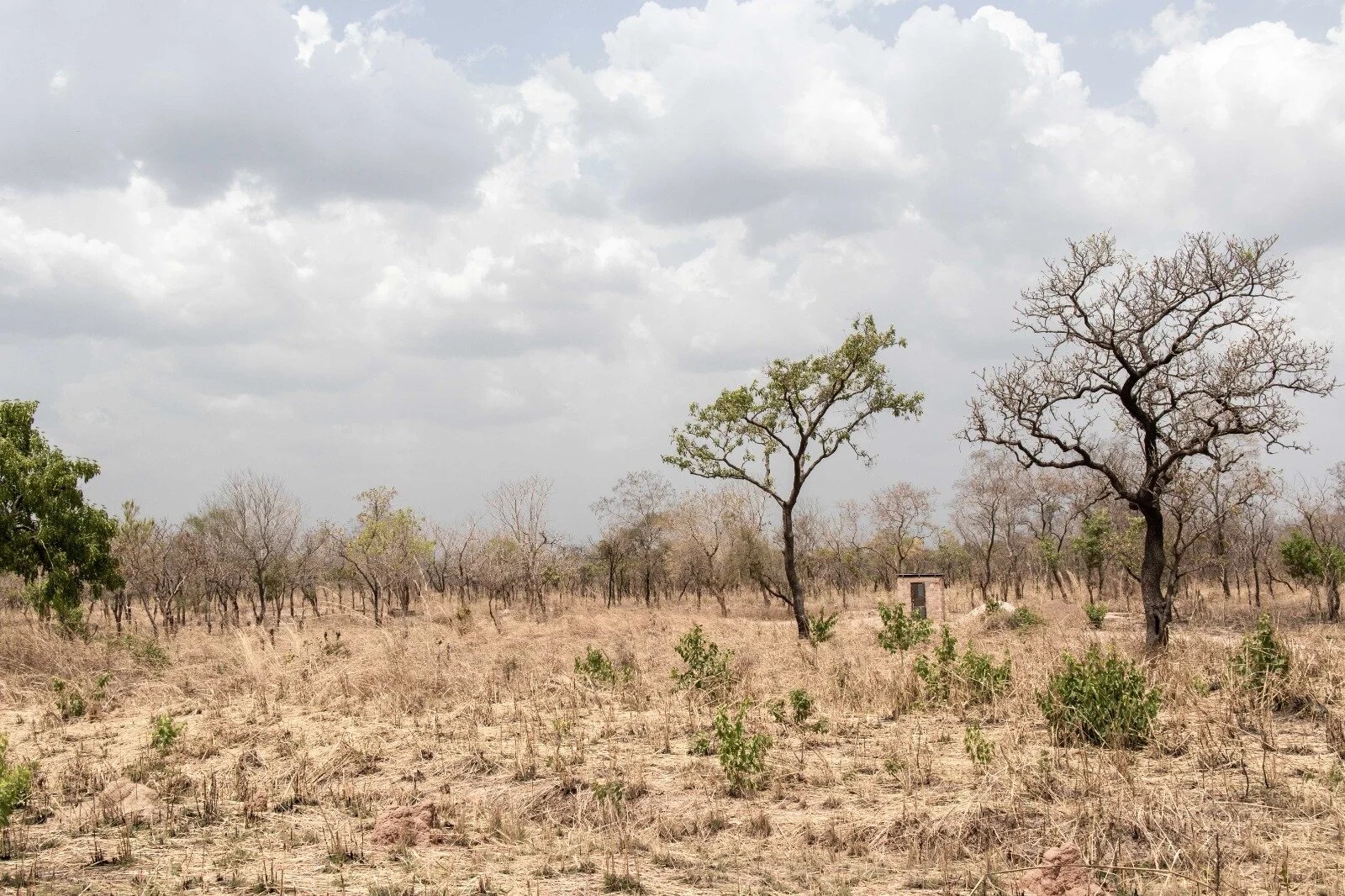
An introduction to the geographic and socio-economic factors influencing water scarcity in the north.
A 12-minute documentary following our team as they navigate the complexities of borehole construction.
How local water committees ensure the longevity and maintenance of infrastructure.
Technical specifications for the sustainable energy solutions powering our newest wells.
The metrics we use to measure success, from water quality to school attendance rates.
Our comprehensive financial and operational report for the previous fiscal year.

We send occasional updates on new publications, open research and student opportunities, and significant developments in the field. Low volume, no spam, easy to unsubscribe.
Field reports, case studies, and methodological notes from our work. The well-building guide above is our flagship publication. Other materials will appear here as we publish them.
The Research & Student Hub is one of the newer parts of SWP. If there's a topic you'd like us to write about, a resource we should add to the learn-the-basics section, or an opportunity you'd like us to consider creating, tell us.
Contact us